
Composite materials are essential in modern industries, combining strength, flexibility, and other properties that single materials alone can’t provide. From aerospace to automotive, composites offer unique advantages. Adding nonwoven felts to these composites takes their performance even further, especially in high-demand applications. At Bouckaert Industrial Textiles (BIT), we provide specialized nonwoven felts that enhance composite materials in strength, thermal resistance, and durability. This article explores the benefits of using nonwoven felts in composite materials, with a look at key industries and real-world applications.
Understanding Composite Materials and Nonwoven Felts
Composite materials consist of two or more materials with distinct properties, creating a new material that delivers enhanced performance. Often, composites are designed to be strong yet lightweight, a critical balance in industries like automotive, aerospace, and construction. The growing popularity of composites stems from their versatility and ability to meet strict industry requirements.
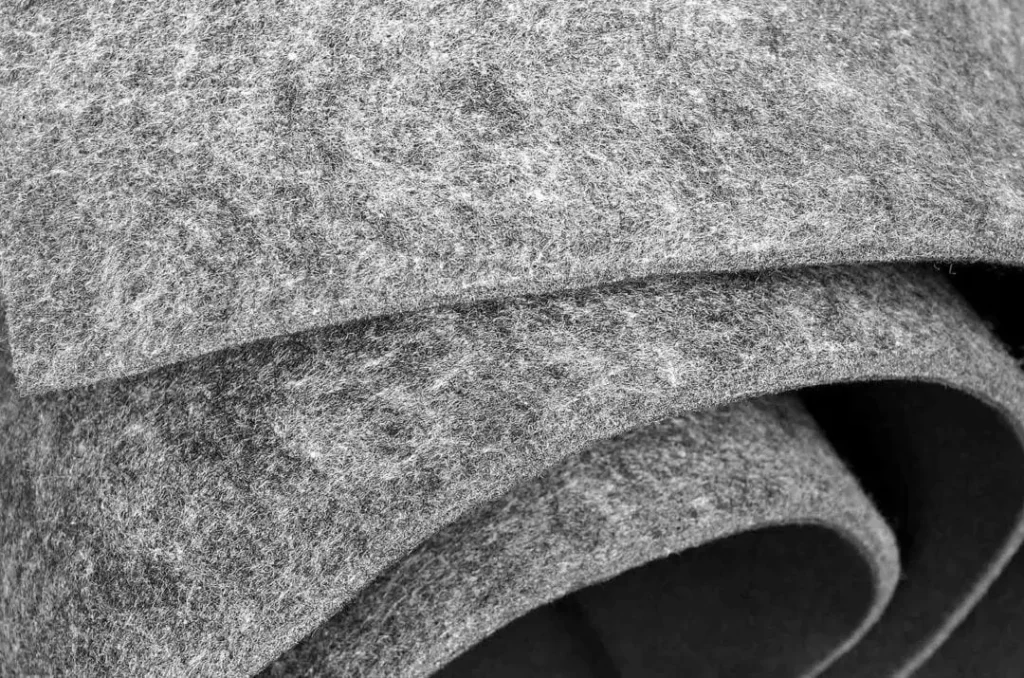
Nonwoven felts serve as a vital component in many composite applications. Typically used as reinforcing layers or carriers for resins, felts add specific characteristics to composites, enhancing their functionality. For instance, a fiberglass/polyester felt may improve thermal resistance, while an aramid felt can increase strength in high-stress applications.
The Role of Nonwoven Felts in Composite Materials
Nonwoven felts offer versatility in composite manufacturing. Acting as reinforcement layers, felts contribute to the composite’s structural integrity. Additionally, felts work well as carriers for resins and other binding agents, enabling a more cohesive and uniform final product.
Various types of felts are integrated into composite materials, including fiberglass, aramid, and polyester blends. Each type offers distinct properties that are suitable for specific applications. Fiberglass felts, for example, provide thermal resistance, while polyester felts offer flexibility and cost-effectiveness. The choice of felt depends on the end-use requirements of the composite material.
Key Benefits of Using Nonwoven Felts in Composites
Integrating nonwoven felts into composite materials enhances their performance in several key ways:
1. Thermal Resistance in Composite Materials
One of the primary benefits of using felts in composites is their ability to withstand extreme temperatures. Fiberglass and fiberglass/polyester blends, in particular, are excellent choices for high-temperature applications. In industries where thermal management is essential, such as automotive and aerospace, felt-enhanced composites maintain their integrity even in demanding conditions.
2. Flexibility and Conformability of Nonwoven Felts
Nonwoven felts add flexibility to composites, making them easier to mold and shape. This feature is particularly useful for parts that require complex geometries or custom designs. In automotive manufacturing, for example, felts allow for seamless integration into curved or irregularly shaped components, helping reduce waste and improve manufacturing efficiency.
3. Enhanced Durability and Longevity
By reinforcing composites with nonwoven felts, manufacturers can significantly increase the durability and wear resistance of their products. This added durability makes felt-enhanced composites ideal for applications subjected to continuous stress, such as structural supports in vehicles or insulation in industrial machinery. Durable composites result in longer-lasting products that require less maintenance, reducing overall costs for end-users.
Applications of Nonwoven Felts in Composite Materials
Automotive Composites with Nonwoven Felts
In the automotive industry, composites with nonwoven felts play a key role in lightweighting and energy efficiency. Felt-reinforced composites are used in various applications, such as:
- Heat Shields: Nonwoven felts in heat shields provide essential thermal insulation, protecting critical engine components from heat exposure.
- Battery Insulation for Electric Vehicles: In electric vehicles (EVs), felt-reinforced composites help manage battery heat, enhancing both safety and performance. Learn more about thermal runaway in EV batteries.
- Structural Components: Composites with felts are used for structural reinforcement, reducing vehicle weight without compromising strength or safety.
Aerospace Applications for Nonwoven Felts in Composites
In aerospace, felt-enhanced composites are invaluable for their lightweight, high-strength, and thermal properties. Applications include:
- Thermal and Acoustic Insulation: Felt-reinforced composites provide insulation against heat and noise, contributing to both safety and comfort in aircraft.
- Interior Panels: Lightweight composite panels with felt offer durability without adding excess weight, which is crucial in aerospace design.
By using nonwoven felts in these applications, aerospace manufacturers achieve the required balance of strength and weight. These materials also meet rigorous industry standards for fire and impact resistance.
Construction and Infrastructure Applications
In construction, nonwoven felts in composites are used for insulation, soundproofing, and fire resistance. For example:
- Building Insulation: Felt-reinforced composites provide effective thermal barriers, making buildings more energy-efficient.
- Soundproofing Panels: In commercial construction, felts in composite panels improve sound absorption, creating quieter interior spaces.
The durability of felt-enhanced composites ensures that infrastructure projects maintain their integrity over time, even in harsh environmental conditions.
Renewable Energy Uses for Nonwoven Felts in Composites
Renewable energy projects also benefit from nonwoven felts in composite materials. Wind turbines, for instance, use felt-reinforced composites for lightweight and durable blades. In solar panels, composites with felts can provide insulation, improving efficiency and reducing heat loss. As renewable energy expands, nonwoven felts offer solutions for materials that withstand varied and challenging conditions.
How BIT’s Nonwoven Felts Contribute to Composite Performance
At BIT, we specialize in nonwoven felts tailored for composite applications. Our fiberglass and polyester blends are carefully designed to meet the unique needs of industries that require durable and high-performing materials. Our quality control processes ensure that each roll meets precise specifications for thickness, weight, and strength, guaranteeing consistent quality.
BIT’s commitment to quality means that our felts contribute to the strength, flexibility, and longevity of composite materials. For example, in applications like EV battery insulation, we provide felts that enhance thermal stability, which is essential for safe and efficient energy management. By offering custom solutions, we support clients in achieving their performance and sustainability goals.
Conclusion
The use of nonwoven felts in composite materials opens new possibilities for high-performance applications. From automotive and aerospace to construction and renewable energy, felt-enhanced composites offer durability, flexibility, and thermal resistance. As industries continue to innovate, BIT’s nonwoven felts provide the reinforcement needed to meet these growing demands.
At BIT, we’re dedicated to producing high-quality felts that elevate composite materials. With expertise in fiberglass and polyester blends, we deliver reliable products that help clients succeed in their industries. Explore our product range of high-quality nonwoven felts for your composite needs.